
 Alice Leroy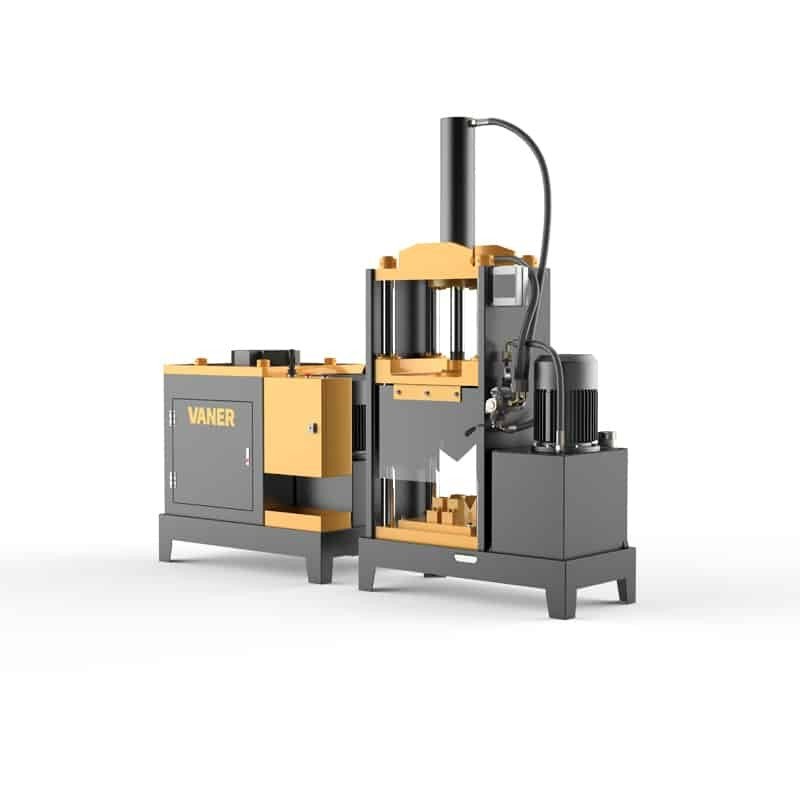
Electric motor recycling is a sustainable solution to reduce electronic waste. By disassembling old electric motors, valuable materials like copper and steel can be salvaged for reuse. This process helps conserve natural resources while minimizing environmental impact. With the increasing demand for electric motors in various industries, proper recycling methods are essential. Join us as we explore the importance and benefits of electric motor recycling in today’s blog.

The Importance of Electric Motor Recycling: Saving the Environment and Resources
Welcome to our blog post all about electric motor recycling! In today’s world, where technology plays a significant role in our daily lives, we often overlook the importance of recycling electronic components like electric motors. But did you know that recycling electric motors not only helps protect the environment but also conserves valuable resources? Let’s dive into the world of electric motor recycling and discover why it matters!
What are Electric Motors?
Before we delve into the recycling aspect, let’s understand what electric motors are. Electric motors are devices that convert electrical energy into mechanical energy to power various machines and appliances. From refrigerators and washing machines to industrial tools and electric vehicles, electric motors are essential in powering a wide range of everyday items.
Why Recycle Electric Motors?
Now, you might be wondering why it’s important to recycle electric motors. Well, electric motors contain valuable materials such as copper, aluminum, and steel that can be extracted and reused. By recycling these materials, we can reduce the need for mining new resources, which helps conserve energy and lowers greenhouse gas emissions.
Environmental Impact of Electric Motor Recycling
When electric motors end up in landfills, they can release harmful chemicals and contribute to soil and water pollution. By recycling electric motors, we can prevent these toxic substances from leaching into the environment and reduce the overall carbon footprint associated with manufacturing new motors.
Resource Conservation
Additionally, recycling electric motors allows us to recover valuable metals like copper, which is a finite resource. By reusing these materials, we can extend their lifespan and decrease the demand for new mining activities that can damage ecosystems and habitats.
How are Electric Motors Recycled?
Electric motor recycling involves a series of steps to extract and separate the valuable components for reuse. The process typically includes collecting, disassembling, shredding, and sorting the motors to recover materials like copper and aluminum.
Collection
The first step in electric motor recycling is collecting the motors from various sources such as old appliances, industrial equipment, and electronic waste recycling centers. These motors are then transported to recycling facilities for processing.
Disassembly
Once the motors reach the recycling facility, they are disassembled to access the internal components. This step involves removing the housing, wiring, and other parts to prepare the motors for shredding.
Shredding and Sorting
After disassembly, the motors are shredded into small pieces to facilitate the separation of materials. Specialized equipment is used to sort the shredded pieces based on their material composition, such as copper coils, aluminum casings, and steel components.
Benefits of Electric Motor Recycling
There are numerous benefits to recycling electric motors, both environmentally and economically. By recovering valuable materials like copper and aluminum, recycling reduces the energy consumption and emissions associated with mining and refining new resources.
Energy Savings
Recycling electric motors requires less energy compared to producing new motors from raw materials. This energy savings not only reduces greenhouse gas emissions but also helps lower the overall carbon footprint of manufacturing processes.
Job Creation
Furthermore, electric motor recycling provides opportunities for job creation in the recycling industry. As the demand for sustainable practices increases, the need for skilled workers in the recycling sector grows, leading to new employment opportunities and economic growth.
Conclusion: Let’s Recycle Electric Motors for a Greener Future!
In conclusion, electric motor recycling plays a vital role in preserving our environment and conserving valuable resources. By recycling electric motors, we can reduce pollution, save energy, and support a sustainable future for generations to come. So, the next time you come across an old appliance or electronic device with a motor, remember the impact you can make by choosing to recycle it. Together, let’s work towards a greener and more sustainable world!
UK customer feedback MR-TS Electric Motor Recycling Machine – VANER Machinery
Frequently Asked Questions
What are the benefits of recycling electric motors?
Recycling electric motors helps in conserving natural resources by reducing the need for raw materials. It also minimizes environmental pollution caused by improper disposal and promotes sustainability by extracting valuable metals from the motors for reuse.
How can I recycle an electric motor?
You can recycle an electric motor by contacting local recycling centers, scrap metal yards, or electronic waste recycling facilities. These places usually accept electric motors for proper disposal and recycling.
What materials are typically recovered during the recycling of electric motors?
During the recycling process of electric motors, valuable materials such as copper, aluminum, steel, and other metals are commonly recovered. These materials can then be used for manufacturing new products or in various industries.
Final Thoughts
In conclusion, electric motor recycling plays a crucial role in reducing electronic waste and conserving valuable resources. The process involves dismantling motors to recover materials like copper, steel, and aluminum for reuse. By recycling electric motors, we can minimize environmental impact and promote sustainability in the manufacturing industry. It is important for companies and individuals to prioritize electric motor recycling to support a greener future.