 Alice Leroy
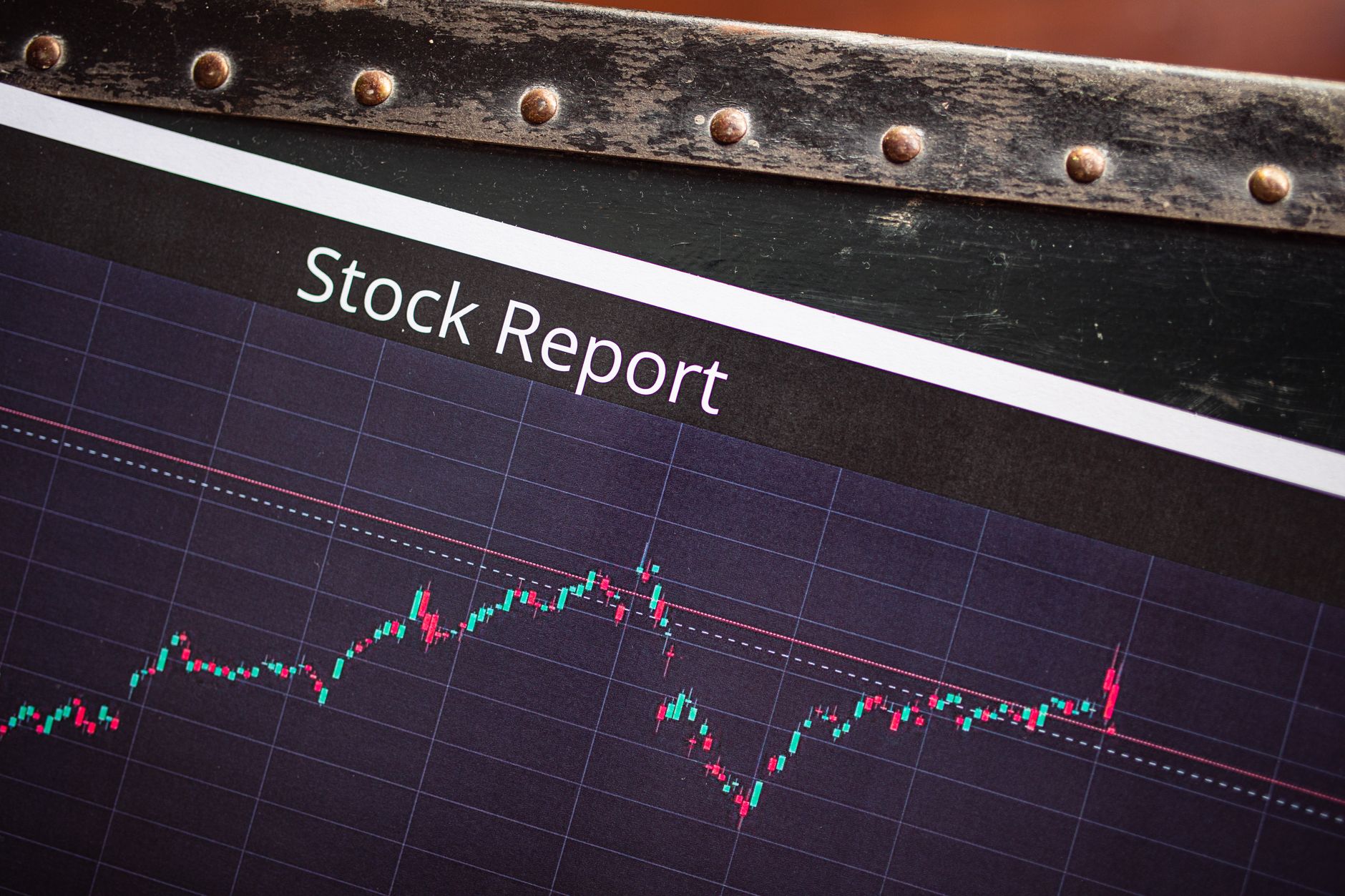
Sensex falls amid market volatility, highlighting concerns despite record SIP inflows. Investors are keen to understand the underlying reasons for this downturn.
Understanding the Current Market Trends
The recent downturn in the stock market has raised concerns among investors and analysts alike. The Sensex falls have been attributed to several key factors that are currently influencing market trends.
Firstly, global economic uncertainty continues to play a significant role. With fluctuating inflation rates and geopolitical tensions, investors are wary of making bold moves. This uncertainty has led to a cautious sentiment, contributing to the decline.
Secondly, rising interest rates are impacting borrowing costs. As central banks around the world tighten monetary policy to combat inflation, higher interest rates can dampen corporate profits and consumer spending, leading to a bearish market outlook.
Another factor is the performance of key sectors. Despite record Systematic Investment Plan (SIP) inflows, sectors such as technology and finance have struggled to maintain momentum, creating pressure on the overall market indices.
Lastly, profit-booking among investors after a strong rally has also contributed to the Sensex falls. Many investors are choosing to realize gains from earlier investments, further exacerbating the downward trend.
In summary, the combination of global economic uncertainty, rising interest rates, sector performance, and profit-booking are significant factors driving the current market trends, leading to the recent decline of the Sensex.
Impact of SIP Inflows on Sensex
The recent fluctuations in the stock market have raised concerns among investors, especially with the Sensex falling by 548 points. One of the most intriguing aspects of this decline is the impact of Systematic Investment Plan (SIP) inflows, which have been at record levels. Despite the apparent strength of these inflows, the market has not responded positively.
There are several factors contributing to this paradox:
- Market Sentiment: Investor sentiment plays a crucial role in market performance. Even with high SIP inflows, negative sentiment driven by global economic concerns can overshadow positive investment behavior.
- Profit Booking: After a prolonged rally, many investors may choose to book profits, leading to a temporary decline in the index despite continuous SIP investments.
- Macroeconomic Indicators: Economic data, such as inflation rates and employment figures, can greatly influence market trends. If these indicators signal trouble, they can trigger a sell-off even amidst strong SIP flows.
- Global Factors: International events and market conditions can have a ripple effect. Geopolitical tensions or changes in foreign markets can lead to investor caution, resulting in the Sensex falling regardless of local inflows.
Reasons Behind the Recent Decline
The recent decline in the Sensex, which fell by 548 points, can be attributed to several key factors that have shaken investor confidence and influenced market dynamics.
- Global Economic Concerns: Ongoing geopolitical tensions and uncertainties in major economies have led to a cautious approach among investors. Concerns over inflation and interest rates in the US have particularly affected market sentiment.
- Profit Booking: After a significant rally in previous weeks, many investors have opted to book profits. This natural cycle of buying and selling often leads to short-term market corrections, contributing to the Sensex falls.
- Sector-Specific Weakness: Certain sectors, such as technology and pharmaceuticals, have experienced setbacks due to disappointing earnings reports and regulatory challenges. This sector-specific weakness has had a ripple effect on the overall index.
- Foreign Institutional Investors (FIIs) Selling: A noticeable trend has been the selling pressure from FIIs, who are re-evaluating their investment strategies in response to changing global conditions. Their exit has further added to the downward momentum of the Sensex.
As these factors continue to evolve, market participants remain vigilant, hoping for signs of stabilization in the near future.
Investor Reactions to Market Changes
Investor reactions to market changes have been varied in light of the recent news that the Sensex falls by 548 points, despite record Systematic Investment Plan (SIP) inflows. Many investors are grappling with the implications of this decline, as it challenges the perception that increased retail investment can buoy the market.
Several themes are emerging from investor sentiments:
- Concern Over Volatility: Many investors express anxiety over the volatility in the market. The sudden drop in the Sensex has raised questions about the sustainability of recent gains.
- Shift in Strategy: Some investors are reassessing their strategies, moving from aggressive investments to more conservative options, as they seek to mitigate risks associated with market fluctuations.
- Increased Caution: A general atmosphere of caution has taken hold, with investors closely monitoring economic indicators and corporate earnings reports to gauge market direction.
- Long-Term Outlook: Despite the immediate concerns, some investors maintain a long-term perspective, citing the potential for recovery as economic fundamentals remain strong.
Overall, the decline in the Sensex has prompted a mix of fear and cautious optimism among investors, as they navigate the complexities of a shifting market landscape.
Historical Context of Sensex Movements
The historical context of Sensex movements provides valuable insights into the patterns and trends that characterize the Indian stock market. Over the years, the Sensex has experienced significant fluctuations, often influenced by a combination of domestic and global factors. Understanding these movements is crucial for investors looking to make informed decisions.
One notable period of decline occurred during the global financial crisis in 2008 when the Sensex fell dramatically, leading to widespread panic among investors. Similarly, the COVID-19 pandemic in 2020 triggered a sharp drop in the index, highlighting how external shocks can rapidly alter market sentiment.
Another aspect to consider is the influence of economic policies and reforms. For instance, the implementation of the Goods and Services Tax (GST) in 2017 initially caused uncertainty, leading to fluctuations in the Sensex before stabilizing in response to positive economic indicators. Additionally, geopolitical tensions have historically impacted investor confidence, resulting in abrupt changes in the index.
Moreover, the reaction of foreign investors to domestic economic performance plays a significant role in the movement of the Sensex. As seen in recent trends, even with record SIP inflows, the market can still face declines, as evidenced by the recent fall of 548 points. This illustrates the complexity of market dynamics and the multitude of factors that influence the Sensex.
Future Outlook for Sensex
As investors absorb the recent data on the Sensex falls, the future outlook remains a topic of intense discussion among market analysts. Despite the decline, there are factors that could influence the recovery trajectory of the index in the coming months.
Firstly, one of the critical elements to watch is global economic conditions. With major economies showing signs of volatility, the Indian market could experience fluctuations based on international cues. Analysts suggest that a stabilization in global markets might lead to renewed confidence in domestic equities.
Secondly, the performance of key sectors will be essential. Industries such as technology and pharmaceuticals, which have shown resilience, could help cushion the effects of market downturns and foster a rebound in the index.
Additionally, domestic policies and reforms aimed at boosting economic growth could play a pivotal role. If the government implements measures that effectively stimulate investment and consumption, it may lead to a positive shift in investor sentiment.
Lastly, investor sentiment itself can be a significant driver of market recovery. As confidence returns, the likelihood of increased participation in the equity markets could mitigate some of the negative impacts observed during the recent Sensex falls.
In conclusion, while the outlook appears cautious, several factors could pave the way for a potential recovery in the Sensex, provided that investors remain vigilant and adaptive to changing market conditions.
Expert Opinions on Market Volatility
Experts have weighed in on the recent decline of the Sensex, which fell 548 points despite record systematic investment plan (SIP) inflows. Their insights shed light on the complex factors contributing to market volatility.
- Global Economic Uncertainty: Analysts point to ongoing geopolitical tensions and fluctuating commodity prices as significant contributors to the market’s instability. These external factors can create a ripple effect that impacts investor sentiment.
- Rising Interest Rates: With central banks around the world tightening monetary policy, the prospect of higher interest rates has led to cautious trading. Investors are reassessing their portfolios, leading to increased selling pressure on stocks.
- Corporate Earnings Reports: Recent quarterly earnings reports have shown mixed results, causing some investors to reevaluate their positions. Disappointing earnings from key sectors can trigger sell-offs, amplifying the Sensex falls.
- Market Sentiment: The overall mood of the market has turned pessimistic, influenced by both domestic and international news. Negative sentiment can lead to panic selling, further exacerbating declines.
Overall, experts agree that while the market has faced significant challenges, a thorough understanding of these factors can help investors navigate through the current volatility.
The recent market volatility has raised concerns among investors as the Sensex falls, impacting various sectors. Analysts believe that understanding the reasons behind why the Sensex falls can help in making informed investment decisions.
Photo by Ankittt Bhattacharjee on Pexels
Sources
Related stories
Tonbo Imaging India IPO: Easy Guide to Key Dates and Prices · Crypto ETF Outflows: The Worst Trend Investors Face Now · Stock market trends: What are the best proven strategies?