US dollar strengthens: Best proven strategies for investors
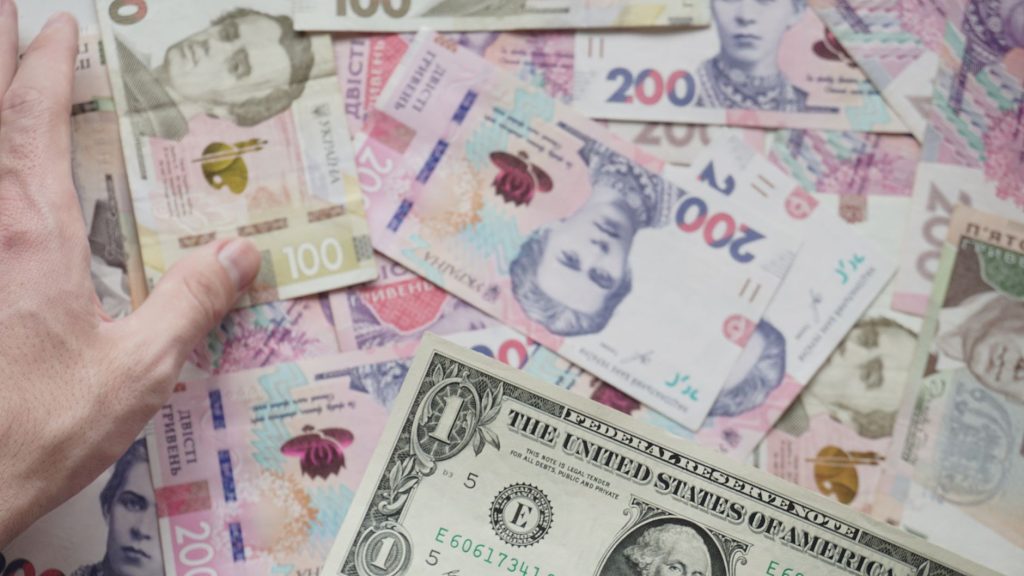
US dollar strengthens following a jobs report that beat major bank forecasts, showcasing a resilient economy. This shift has implications for investors and the banking sector.
Understanding the Jobs Report Impact
The recent jobs report has had a significant impact on the US dollar, which has strengthened following the announcement. As the report indicated that employment figures exceeded major bank forecasts, investors reacted positively, leading to a surge in the value of the dollar.
Analysts suggest that a robust jobs report typically signals a healthy economy, prompting the Federal Reserve to consider tightening monetary policy. This scenario often results in increased interest rates, which tend to attract foreign investment, further bolstering the US dollar. As a result, understanding these economic indicators is crucial for investors looking to navigate currency fluctuations.
- Employment Growth: The increase in job creation not only reflects economic recovery but also enhances consumer confidence.
- Wage Increases: Rising wages can lead to higher consumer spending, which positively influences GDP growth.
- Investor Sentiment: A strong jobs report can shift investor sentiment towards US assets, increasing demand for the dollar.
For investors, recognizing the correlation between employment data and currency strength is vital. As the US dollar strengthens, they may need to adjust their strategies to capitalize on potential gains. By staying informed about these economic trends, investors can make more informed decisions in the ever-changing financial landscape.
How the US Dollar is Performing
The performance of the US dollar has shown significant resilience in recent weeks, particularly following the release of the latest jobs report. With employment numbers surpassing expectations, the US dollar strengthens as investors react positively to the news.
Analysts have noted several key factors contributing to this upward trend:
- Economic Growth: A robust labor market signals confidence in the economy, encouraging investment in USD-denominated assets.
- Interest Rates: Anticipation of potential interest rate hikes by the Federal Reserve has led to increased demand for the dollar, as higher rates generally yield better returns on investments.
- Global Uncertainty: Geopolitical tensions and economic instability in other regions often lead investors to seek the safety of the US dollar, further boosting its value.
As the dollar continues to strengthen, investors are urged to consider strategies that capitalize on this trend. Diversifying portfolios to include more US-based assets may provide a hedge against volatility in other currencies. Additionally, monitoring economic indicators will be crucial for making informed decisions in this changing landscape.
In summary, the recent jobs report has not only elevated the performance of the US dollar but has also positioned it as a safe haven for investors looking to navigate uncertain markets.
Key Factors Behind the Strengthening Dollar
The recent strengthening of the US dollar can be attributed to several key factors that investors should consider. Understanding these elements can help in making informed decisions in the current economic climate.
- Positive Economic Indicators: The jobs report released last week exceeded major bank forecasts, showcasing a robust labor market. A strong employment report typically signals economic health, leading to increased investor confidence in the US dollar.
- Interest Rate Expectations: The Federal Reserve’s stance on interest rates plays a crucial role in dollar strength. With potential rate hikes on the horizon, the dollar often gains value as higher rates attract foreign investment.
- Global Uncertainties: Ongoing geopolitical tensions and economic instability in other regions make the US dollar a safe haven for investors. During times of uncertainty, many turn to the dollar, further driving up its value.
- Trade Balance Improvements: An improving trade balance, bolstered by strong exports, can also contribute to a stronger dollar. As demand for US goods rises, so does the value of the dollar in the global market.
In summary, the combination of positive economic growth, interest rate dynamics, global uncertainties, and trade balance improvements are pivotal in understanding why the US dollar strengthens. Investors should monitor these factors closely to navigate the evolving financial landscape.
Investor Reactions to Economic Changes
As the US dollar strengthens, investor reactions to recent economic changes reflect a mix of optimism and caution. Many investors are closely monitoring the implications of the latest jobs report, which exceeded expectations and contributed to the dollar’s rise. This positive momentum has sparked discussions on various strategies to maximize investment returns.
Among the most notable reactions are:
- Increased Investment in Dollar-Denominated Assets: With the US dollar gaining strength, investors are reallocating their portfolios to include more dollar-denominated assets, such as government bonds and stocks of US-based companies.
- Currency Hedging Strategies: To protect against potential fluctuations, some investors are implementing hedging strategies, using options and futures to mitigate risks associated with currency exposure.
- Focus on Consumer Goods: As the dollar strengthens, consumer goods imports become cheaper, prompting investors to explore opportunities within retail sectors that benefit from increased purchasing power.
- Monitoring Global Market Trends: Investors are also keeping a close eye on international markets, anticipating shifts in global trade dynamics as the strengthening dollar impacts export competitiveness.
In summary, the recent strengthening of the US dollar has prompted a variety of strategic responses among investors, highlighting the necessity of adaptability in an ever-evolving economic landscape.
Future Predictions for the US Dollar
As analysts assess the ramifications of the latest jobs report, many are making future predictions regarding the US dollar’s trajectory. The report showed that employment figures surpassed major bank forecasts, contributing to the dollar’s current strength. This positive momentum raises questions about how long the US dollar will continue to strengthen and what that might mean for investors.
Several factors will likely influence the dollar’s performance in the coming months:
- Monetary Policy Decisions: The Federal Reserve’s approach to interest rates will play a pivotal role. If the Fed continues to raise rates, the US dollar could maintain its upward trend.
- Global Economic Conditions: Economic stability in major trading partners will also impact the dollar’s strength. A robust global economy may bolster demand for the dollar.
- Geopolitical Developments: Events such as trade negotiations or international conflicts can create fluctuations in currency value, affecting investors’ strategies.
Experts suggest that investors should consider diversifying their portfolios to hedge against potential volatility. Strategies such as investing in commodities or foreign currencies may provide balance against the strengthening US dollar. As the economic landscape evolves, remaining informed and adaptable will be crucial for successful investment decisions.
In conclusion, while the current outlook for the US dollar is positive, uncertainties remain that could influence its future trajectory.
Banking Sector Insights Following the Report
In the wake of the recent jobs report that exceeded major bank forecasts, insights into the banking sector reveal a nuanced perspective on the strengthening US dollar. Financial institutions are adjusting their strategies in response to this economic shift, as the dollar’s rise influences lending rates and investment opportunities.
Many banks are reporting increased consumer confidence, which is often associated with a stronger dollar. This confidence can lead to greater borrowing, as consumers feel more secure in their financial situations. Analysts suggest that banks may benefit from wider interest margins, allowing them to capitalize on the increased demand for loans.
However, the banking sector also faces challenges. Foreign investments may become less attractive as the dollar strengthens, potentially leading to a decrease in capital inflows from abroad. Additionally, banks must navigate the complexities of a fluctuating currency environment, where exchange rates can impact profitability.
As the US dollar strengthens, banks are also reevaluating their foreign currency exposure. Hedging strategies are becoming increasingly vital to mitigate risks associated with currency fluctuations. Overall, the banking sector’s responses to the dollar’s performance will likely shape the financial landscape in the coming months.
In summary, the rising US dollar presents both opportunities and challenges for banks, prompting a reevaluation of strategies and positioning in an evolving economic climate.
As the US dollar strengthens, investors should consider diversifying their portfolios to hedge against potential market volatility. Additionally, when the US dollar strengthens, it often presents unique opportunities in foreign markets that savvy investors can capitalize on.
Photo by Dmytro Glazunov on Pexels