Milk Prices Rise: The Worst Impact on Consumers Ahead
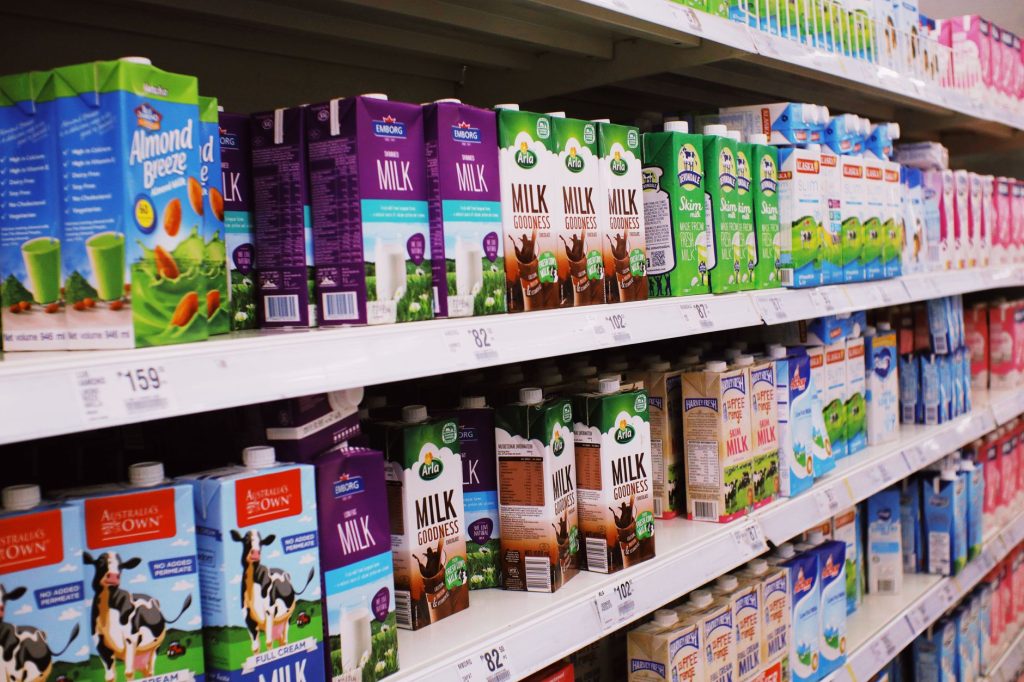
milk prices rise as the winter flush fails to provide relief for consumers. This trend may indicate further challenges in the dairy sector.
Understanding the Current Milk Price Situation
The recent surge in milk prices has left many consumers feeling the strain on their budgets. Despite an increase in milk production known as the winter flush, prices have continued to rise, raising concerns about the future. The dairy industry is facing multiple challenges that contribute to this situation.
Key factors influencing the current milk price situation include:
- Increased feed costs: Feed prices have skyrocketed due to adverse weather conditions affecting crop yields, which in turn raises the overall cost of milk production.
- Supply chain disruptions: Ongoing supply chain issues have led to delays and increased costs in transportation and logistics, further impacting prices.
- Consumer demand: As consumers return to pre-pandemic purchasing habits, demand for dairy products has surged, putting additional pressure on already strained supply chains.
As a result of these factors, many analysts predict that the rise in milk prices may not be temporary. Instead, they warn that consumers could face escalating costs for the foreseeable future. This situation is particularly concerning for low-income families, who may struggle to afford basic dairy products.
In summary, the rise in milk prices is a complex issue that affects everyone, and understanding the underlying causes is crucial for consumers as they navigate their grocery budgets.
Factors Contributing to Rising Milk Prices
The recent surge in milk prices has left consumers feeling the pinch, and several factors are contributing to this upward trend. Understanding these elements is crucial for grasping the extent of the situation.
- Increased Feed Costs: One significant factor is the rise in feed prices for dairy cows. With global supply chain disruptions, farmers are facing higher costs, which in turn affects milk production.
- Weather Conditions: Unpredictable weather patterns have also played a role. Droughts and extreme temperatures can decrease milk yield, further straining supply and pushing prices higher.
- Labor Shortages: The dairy industry is grappling with labor shortages, making it challenging for farms to operate at full capacity. This shortage impacts production levels and contributes to the rising prices.
- Consumer Demand: As consumers return to pre-pandemic shopping habits, the demand for milk and dairy products has surged. This increased demand, coupled with limited supply, has created a perfect storm for rising milk prices.
- Market Trends: Lastly, broader market trends, including inflation, have led to increased costs across the board, affecting everything from production to transportation.
As these factors continue to evolve, consumers may face even greater challenges in managing their grocery budgets.
Impact on Consumers and Dairy Farmers
The recent rise in milk prices has sent shockwaves through households and dairy farming communities alike. As consumers face escalating costs at grocery stores, many are left wondering how they will manage their budgets amidst these changes. The impact on consumers is particularly pronounced for families that rely on milk as a staple in their diets. With the price of milk rising steadily, families are forced to make difficult choices regarding their grocery purchases.
For dairy farmers, rising milk prices can have a dual effect. While higher prices may seem beneficial, the increasing costs of feed, fuel, and equipment can negate any potential profits. Many farmers are finding it challenging to balance these expenses while providing quality products to consumers. The situation is exacerbated for smaller farms that operate on narrow profit margins.
As the price of milk rises, consumers may notice shifts in their shopping habits. Some may turn to alternatives or reduce their overall consumption. This change could lead to a ripple effect across the dairy industry, affecting sales and production levels.
In summary, the rising milk prices have a profound effect not only on consumers who are grappling with higher grocery bills but also on dairy farmers striving to maintain their livelihoods amidst fluctuating market conditions.
Future Outlook for Milk Prices in India
The future outlook for milk prices in India appears to be concerning, as various factors continue to exert upward pressure on costs. Analysts predict that consumers will face additional challenges in the coming months due to a combination of seasonal and economic variables.
One significant factor influencing the trajectory of milk prices is the ongoing demand from urban areas, where consumption patterns have shifted notably. As more families in cities turn to dairy products as essential dietary staples, the competition for resources intensifies, leading to higher prices.
Additionally, fluctuations in feed costs and the impact of climate change on dairy farming are expected to contribute to sustained increases in production costs. Dairy farmers have reported rising expenses related to maintaining livestock health and quality, which inevitably translates to higher retail prices.
Another element to consider is the government’s role in regulating milk prices. While some initiatives aim to stabilize costs, the effectiveness of these measures remains to be seen. Consumers may find themselves facing a tough reality as milk prices rise, with potential repercussions for household budgets.
In summary, as various dynamics come into play, the future of milk pricing in India looks precarious. With ongoing challenges, consumers may need to brace themselves for further financial strain as the market evolves.
Government Response to Price Increases
In response to the escalating milk prices rise, the government is taking steps to mitigate the impact on consumers and ensure market stability. Recent discussions among policymakers have centered around potential subsidies for dairy farmers, aimed at easing the burden of rising production costs. These subsidies could help maintain affordable prices for consumers while supporting the livelihoods of farmers.
The government is also exploring measures to enhance supply chain efficiency. By investing in infrastructure improvements, such as better transportation and storage facilities, officials hope to reduce wastage and ensure that milk reaches consumers in a timely manner. This could potentially lead to a stabilization of prices in the long run, benefiting both consumers and producers.
Furthermore, regulatory frameworks are being evaluated to ensure fair pricing practices within the dairy industry. Authorities are considering implementing price controls during periods of extreme volatility, which could help protect consumers from sudden price spikes.
In addition to these measures, public awareness campaigns are being planned to inform consumers about the price increases and the reasons behind them. This education could foster understanding and patience among consumers as the government navigates these challenges.
As the situation develops, the government’s responsiveness will be crucial in alleviating the worst impacts of the milk prices rise on households across the nation.
The recent trend shows that as milk prices rise, many families struggle to adjust their budgets. Experts warn that if milk prices rise further, the impact on consumers could be even more severe.
Photo by Nothing Ahead on Pexels
Sources
Related stories
Golar LNG Earnings Results: Proven Beat on Estimates · Bitcoin Ethereum ETFs Outflows: Worst Proven Trends · Mahanadi Coalfields IPO: Is It the Best Way for Coal India Investors?