
 Alice Leroy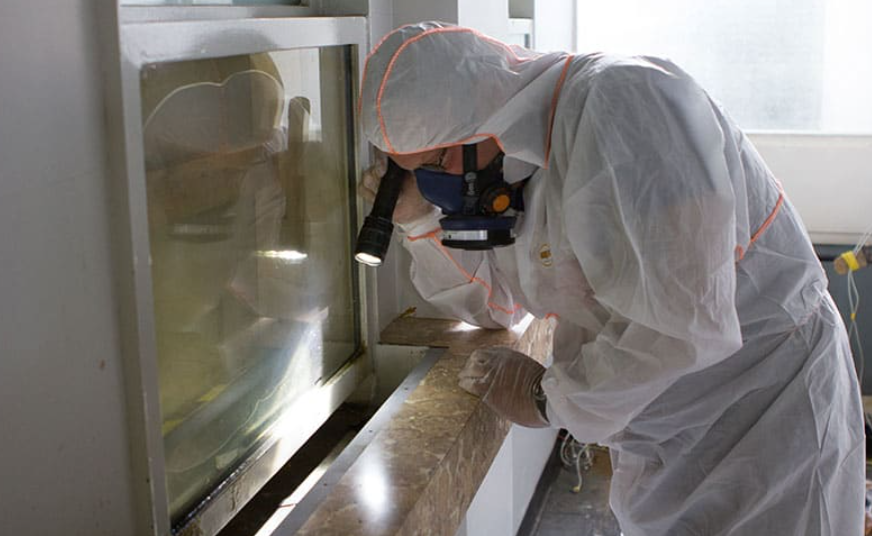
An asbestos survey is an essential process that helps identify the presence, location, and condition of asbestos-containing materials within a property. Whether it is a home, office, or industrial site, an asbestos survey provides vital information about potential hazards and ensures that any future renovation or maintenance work can be carried out safely. Asbestos, once a popular building material, can become a serious health risk if its fibers are released into the air. Therefore, having a proper asbestos survey conducted is not just a precaution—it is a necessity for the safety of everyone occupying the building.
The importance of an asbestos survey lies in its ability to prevent accidental exposure. Many buildings constructed before the 1990s may still have asbestos in insulation, flooring, ceilings, or roofing materials. When these materials are disturbed, microscopic fibers can be released, leading to severe respiratory illnesses such as asbestosis, lung cancer, and mesothelioma. A detailed survey ensures that these materials are identified, documented, and managed properly before they pose any harm.
How Does an Asbestos Survey Work?
An asbestos survey is carried out by trained professionals who follow a systematic approach to detect and assess asbestos materials. The process begins with a visual inspection of the property. Surveyors carefully examine areas where asbestos is most likely to be found, such as insulation boards, pipe lagging, textured coatings, or floor tiles.
If any suspicious materials are located, small samples are taken under controlled conditions to avoid contamination. These samples are then analyzed in specialized laboratories using advanced testing techniques to confirm the presence and type of asbestos. The survey report provides detailed information about where asbestos is located, its condition, and the level of risk it poses.
Depending on the type of property and the purpose of the inspection, different types of asbestos surveys may be required. For instance, a management survey helps identify and monitor asbestos during normal building use, while a refurbishment or demolition survey is needed before major construction work to ensure the safety of workers and occupants.
What Are the Benefits of Conducting an Asbestos Survey?
The greatest benefit of an asbestos survey is safety. Knowing where asbestos materials are located allows property owners and managers to make informed decisions about how to handle them. By identifying asbestos early, the risk of accidental disturbance is minimized, protecting both workers and residents from potential exposure.
In addition to health protection, asbestos surveys are also important for legal and regulatory compliance. Many safety regulations require building owners to manage asbestos responsibly. Having an up-to-date asbestos survey ensures that your property meets these standards and avoids possible fines or legal issues.
Moreover, an asbestos survey provides peace of mind. It removes uncertainty about the condition of your property and gives you a clear plan of action if asbestos is found. Whether that involves sealing, monitoring, or safe removal, you can proceed confidently knowing the risk has been properly assessed.
When Should You Arrange an Asbestos Survey?
An asbestos survey should be arranged if you own, manage, or plan to renovate an older building. Properties built before the late 1980s are especially likely to contain asbestos materials. If you are planning refurbishment or demolition, a detailed survey is legally required to ensure the safety of everyone involved in the project.
Even if no construction work is planned, periodic asbestos management surveys help keep the property safe and maintain compliance. Regular inspections allow early detection of any deterioration, ensuring that asbestos materials remain in stable condition and do not release harmful fibers.
Why Trust Professional Asbestos Survey Services?
Professional asbestos survey services offer accuracy, reliability, and safety. Trained specialists have the expertise and equipment needed to conduct the survey without disturbing hazardous materials. They follow strict procedures to prevent contamination and deliver comprehensive reports that clearly outline findings and recommendations.
Choosing professional surveyors ensures that every area of your property is properly assessed. They not only identify asbestos but also help you develop a management plan to control and reduce risks. This professional support provides lasting peace of mind, knowing that your property is safe, compliant, and well-managed.
Conclusion
An asbestos survey is a vital part of maintaining a safe environment for both homes and businesses. It provides essential information that helps prevent exposure to harmful asbestos fibers, protects health, and ensures legal compliance. By conducting a reliable asbestos survey, property owners can safeguard occupants, plan renovations safely, and maintain confidence in the integrity of their building. Taking this step today ensures a safer and healthier future for everyone.