Building a Strong Career Path Through Modern Construction Employment
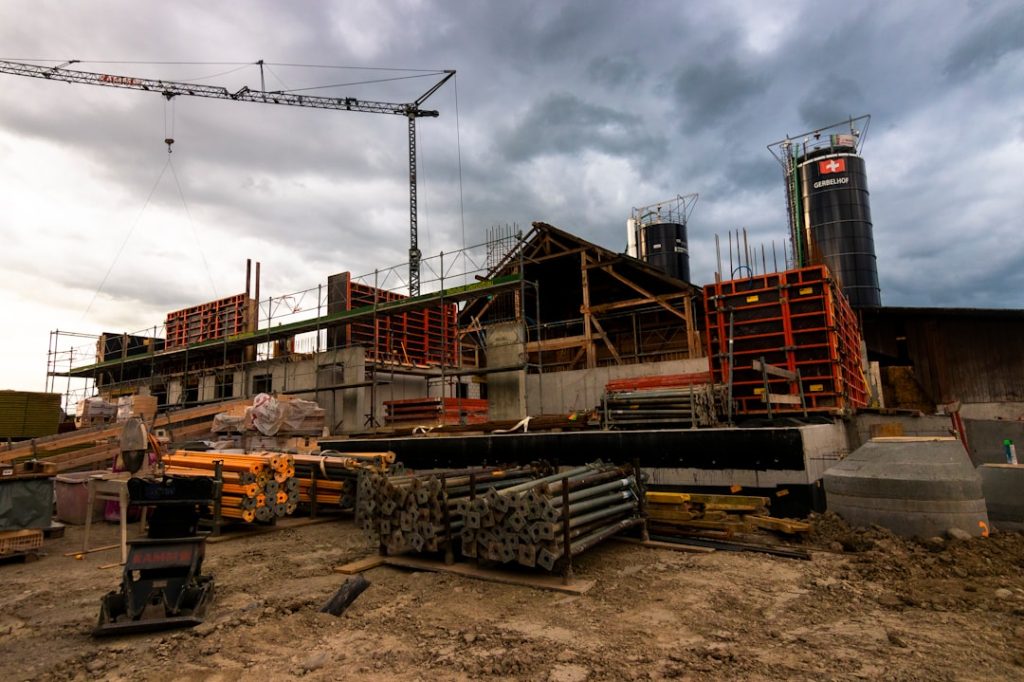
The construction sector remains an important part of Switzerland’s working landscape, supporting residential development, commercial projects, infrastructure, renovation, and specialist building services. For skilled workers and motivated professionals, Construction jobs (bau jobs) offer opportunities to apply practical expertise while developing valuable experience across different project environments. A clear understanding of workplace expectations, qualifications, responsibilities, and career development can help candidates make informed decisions when exploring employment in this dynamic field.
Table of Contents
- Understanding Today’s Construction Employment Landscape
- Skills Employers Commonly Look For
- Qualifications and Practical Experience
- Workplace Safety as a Professional Priority
- How to Approach a Construction Vacancy
- Long-Term Career Development
- A Practical Approach to Finding the Right Opportunity
Understanding Today’s Construction Employment Landscape
Construction work includes a broad range of professional roles. Site workers, carpenters, bricklayers, electricians, plumbers, machine operators, technicians, supervisors, planners, and project specialists can all contribute to successful building projects. Each position requires a different combination of technical knowledge, practical ability, reliability, and attention to safety.
Employment requirements may also vary according to the type of project. Residential construction can involve interior finishing, structural work, and renovation, while infrastructure projects may require specialist equipment and coordinated teams. Understanding these differences helps candidates identify positions that match their experience and professional interests.
Skills Employers Commonly Look For
Technical knowledge is an important foundation for construction professionals, but employers often consider several additional qualities when reviewing candidates. Reliability is particularly valuable because construction schedules depend on coordinated teams and consistent attendance.
Practical problem-solving is another important skill. Building projects can involve unexpected site conditions, material challenges, changing requirements, or coordination issues. Workers who can respond calmly and professionally can contribute to smoother project execution.
Communication also plays an important role. Construction sites bring together professionals with different responsibilities, so clear communication helps reduce misunderstandings and supports efficient collaboration. Candidates who demonstrate teamwork, discipline, and willingness to learn can strengthen their professional profile.
Qualifications and Practical Experience
Training and certification can influence access to construction positions. Depending on the occupation, employers may look for vocational education, technical qualifications, equipment certifications, or relevant practical experience. Candidates should therefore review the requirements of each vacancy carefully before applying.
Experience gained through previous projects can also be valuable. Even when a candidate has worked in a different construction environment, transferable skills such as interpreting plans, using tools correctly, following safety procedures, measuring materials, or coordinating with colleagues may support a successful application.
Keeping professional qualifications current is equally important. Construction methods, workplace standards, tools, and technologies continue to develop, making continuous learning useful for long-term career progression.
Workplace Safety as a Professional Priority
Safety remains central to responsible construction work. Construction environments can involve machinery, elevated work areas, heavy materials, electrical systems, and changing site conditions. Professional workers are expected to understand established safety procedures and use appropriate protective equipment.
A strong safety culture benefits both employees and employers. Workers who follow instructions, identify hazards, maintain orderly work areas, and communicate concerns promptly help create a more dependable working environment. Safety awareness can therefore be viewed not only as a requirement but also as an important professional quality.
How to Approach a Construction Vacancy
A well-prepared application can make a meaningful difference when seeking employment. Candidates should present their professional experience clearly and focus on skills that relate directly to the position. A concise curriculum vitae should explain previous responsibilities, relevant qualifications, technical abilities, and project experience.
Before submitting an application, candidates can review the job description carefully and identify the main requirements. This makes it easier to present relevant strengths rather than providing general information that does not directly address the role.
Professional presentation should continue during interviews. Punctuality, practical knowledge, clear communication, and a realistic understanding of the position can help create a positive impression.
Long-Term Career Development
Construction employment can provide a foundation for long-term professional growth. Workers may progress from practical roles into specialist positions, supervisory responsibilities, technical coordination, or project management. Career development often depends on experience, further training, reliability, and the ability to take on greater responsibility.
The sector can also provide exposure to different types of projects and working methods. This variety allows professionals to expand their knowledge and develop a broader understanding of the building industry.
A Practical Approach to Finding the Right Opportunity
Finding a suitable construction position is easier when candidates combine realistic career goals with careful vacancy research. Instead of focusing only on job titles, applicants should consider responsibilities, required qualifications, working environment, development opportunities, and the type of projects involved.
A structured approach can help candidates identify roles that genuinely match their abilities. By maintaining updated application documents, strengthening relevant skills, and following professional workplace standards, job seekers can position themselves more effectively within the construction sector.
For professionals seeking a stable and skill-focused career, construction remains a field where practical ability, responsibility, teamwork, and continuous development can create meaningful opportunities.
Key Points
- The construction sector in Switzerland supports a variety of roles including site workers, carpenters, electricians, and project specialists, each requiring specialized knowledge and skills.
- Reliability, practical problem-solving, and effective communication are key qualities employers look for in construction candidates aside from technical knowledge.
- Training, certifications, and relevant practical experience significantly influence a candidate’s eligibility for construction jobs and should be reviewed carefully against job vacancies.
- Safety is a critical priority in construction environments, where understanding safety procedures and using appropriate protective gear is paramount.
- Long-term career development in construction often involves progression from practical roles to specialized positions or project management, influenced by experience and continued training.
- Candidates seeking construction jobs should prepare clear applications that highlight relevant skills and experience, and research vacancies thoroughly to align their qualifications with job requirements.