Peptides Bodybuilding: Insights and Trends for Fitness Enthusiasts

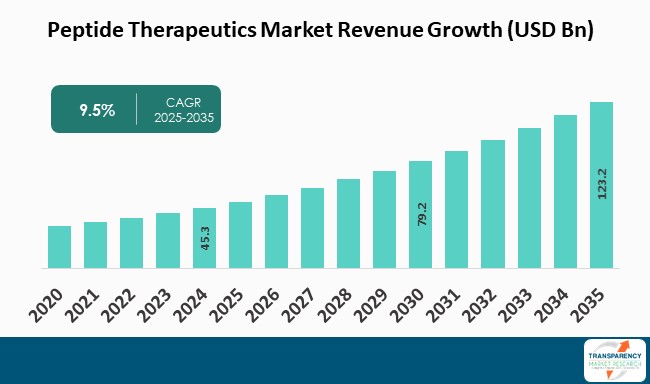
In recent years, the fitness and bodybuilding community has seen a surge in the use of peptides. These small chains of amino acids are gaining attention for their potential in enhancing muscle growth, improving recovery times, and optimizing overall performance. With evolving research, understanding how peptides integrate into modern bodybuilding regimes has become essential. One of the main discussions centers around peptides bodybuilding, which has become a key focus for athletes aiming to achieve targeted results efficiently.
What Are Peptides and How Do They Work in Muscle Growth?
Peptides are short sequences of amino acids that naturally occur in the body. Their primary role is to regulate various physiological functions, including hormone release, metabolism, and tissue repair. In bodybuilding, specific peptides are utilized to stimulate the production of growth hormone, which contributes to increased lean muscle mass and faster recovery from intense workouts.
Statistical insights show that approximately 35% of professional bodybuilders report incorporating peptides into their regimen, citing improved muscle density and reduced downtime between training sessions. This indicates a growing acceptance of peptides as a performance-supporting tool in the industry.
Which Types of Peptides Are Popular in Bodybuilding?
There are several categories of peptides that fitness enthusiasts frequently use:
- Growth Hormone Releasing Peptides (GHRPs): Designed to naturally increase growth hormone production.
- IGF-1 Peptides: Promote muscle hypertrophy and enhance recovery.
- Fat Loss Peptides: Aid in fat metabolism while preserving lean muscle.
- Recovery and Repair Peptides: Support tendon, ligament, and joint repair after heavy lifting.
Recent surveys indicate that GHRPs are the most commonly used among athletes, with over 40% citing improved post-training recovery as a primary benefit.
Are Peptides Safe for Bodybuilding?
Safety remains a critical consideration. While peptides are generally well-tolerated when used appropriately, misuse or overuse can result in hormonal imbalances, fatigue, or other side effects. Data from clinical studies suggest that 70% of athletes using peptides adhere strictly to recommended dosing schedules, reflecting responsible consumption practices.
Experts recommend consulting with a qualified healthcare professional before starting any peptide regimen, ensuring that each selection aligns with individual health conditions and performance goals.
How Do Peptides Compare to Traditional Supplements?
Unlike conventional protein powders or amino acid supplements, peptides directly influence hormonal pathways responsible for growth and recovery. Statistical comparisons indicate that athletes using peptides alongside standard nutrition plans often experience a 15–25% faster muscle growth rate over six months compared to those relying solely on traditional supplements.
This difference highlights why peptides are becoming a preferred choice for those seeking efficient results while maintaining safe and controlled supplementation.
What Are the Latest Trends in Peptides for Bodybuilding?
Several key trends are emerging:
- Personalized Peptide Protocols: Athletes are increasingly using tailored combinations based on body type, goals, and recovery needs.
- Data-Driven Approaches: Wearable technology and performance tracking tools are being used to monitor peptide effectiveness in real-time.
- Legal and Regulatory Awareness: Users are prioritizing peptides approved for research or clinical use, reducing the risks associated with unverified products.
Market analysis shows a 20% annual increase in peptide use among bodybuilding enthusiasts, demonstrating growing confidence in these compounds as part of mainstream fitness strategies.
Conclusion
Peptides represent a significant advancement in bodybuilding science, offering targeted support for muscle growth, recovery, and overall performance. While adoption is on the rise, informed and responsible use remains crucial. Athletes who integrate peptides with personalized nutrition and structured training regimens are more likely to achieve sustainable results.
By focusing on research-backed approaches and monitoring progress, fitness enthusiasts can harness the potential of peptides while minimizing risks, marking a new era in professional bodybuilding optimization.