US Fed rate hikes: Proven forecast from UBS after jobs report
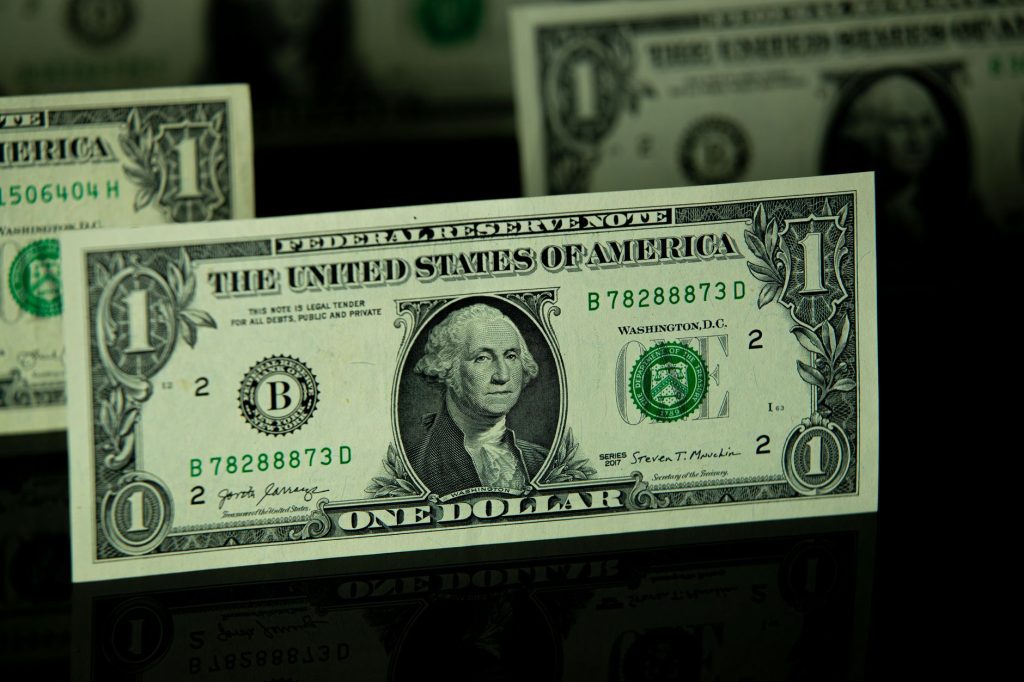
US Fed rate hikes are on the horizon as UBS forecasts two increases in 2026. This prediction comes after a robust jobs report, indicating a strong economy.
Understanding the US Fed Rate Hikes
The US Federal Reserve’s decisions on interest rates have significant implications for the economy. As inflation and employment figures fluctuate, the Fed adjusts its monetary policy to maintain economic stability. Recently, UBS made headlines with its forecast regarding future US Fed rate hikes.
According to UBS, the strong jobs report indicates a robust labor market, which may lead to two anticipated US Fed rate hikes in 2026. This prediction stems from the understanding that a thriving job market can exert upward pressure on wages, potentially fueling inflation.
Market analysts are closely monitoring the Fed’s response to economic indicators. The following factors contribute to the decision-making process regarding rate hikes:
- Inflation Rates: Elevated inflation may prompt the Fed to increase rates to stabilize prices.
- Employment Data: Strong job growth suggests a healthy economy, influencing rate hike considerations.
- Global Economic Conditions: International market trends can also affect domestic monetary policy decisions.
As the Fed navigates these complexities, businesses and consumers alike remain vigilant about the potential impacts of the US Fed rate hikes on their financial planning.
UBS’s Economic Predictions Explained
UBS has recently provided insights into the potential trajectory of US Fed rate hikes following the latest jobs report, which exceeded expectations. According to their analysis, the robust job growth indicates a resilient labor market, prompting speculation about future monetary policy adjustments.
UBS economists predict that the Federal Reserve will implement two rate hikes in 2026 as part of its ongoing efforts to manage inflation and sustain economic growth. This forecast is based on several key indicators:
- Employment Growth: The significant increase in job creation suggests a strengthening economy, which could lead to upward pressure on wages and prices.
- Inflation Trends: Persistent inflation rates may compel the Fed to take action, reinforcing the necessity of rate hikes to stabilize the economy.
- Monetary Policy Stance: The Fed’s commitment to its dual mandate of maximum employment and stable prices will influence their decision-making process in the coming years.
As UBS outlines its predictions, market observers will be closely monitoring economic indicators that could impact the timing and magnitude of these anticipated US Fed rate hikes.
Impact of Strong Jobs Report on Interest Rates
The recent jobs report has significant implications for the future of US Fed rate hikes, prompting analysts to reassess their forecasts. UBS specifically highlights that the strength of the labor market could lead to two anticipated rate hikes by the Federal Reserve in 2026. This projection is rooted in the belief that robust employment figures often correlate with inflationary pressures, which necessitate a response from monetary policymakers.
Key factors influencing this outlook include:
- Employment Growth: A surge in job creation indicates a vibrant economy, which may compel the Fed to act.
- Wage Increases: Rising wages can contribute to inflation, further driving the need for rate adjustments.
- Market Sentiment: Investor confidence often hinges on employment data, influencing spending and borrowing behaviors.
As the Fed typically responds to economic indicators, the strength of the jobs report underscores a potentially changing landscape for interest rates. The implications of these US Fed rate hikes could extend beyond 2026, affecting everything from mortgage rates to consumer spending.
In summary, UBS’s forecast reflects a keen awareness of the interconnectedness of labor market dynamics and monetary policy.
What Investors Should Know About Rate Changes
Investors should pay close attention to the implications of the US Fed rate hikes as they navigate the current economic landscape. The recent jobs report has prompted many analysts, including those at UBS, to reassess their forecasts for interest rate adjustments.
According to UBS, the strong job growth indicates a resilient labor market, which may lead to the Federal Reserve tightening monetary policy more than previously anticipated. This shift in outlook suggests that two additional rate hikes could occur in 2026, as the Fed aims to combat inflation while supporting economic growth.
Key factors influencing these rate changes include:
- Labor Market Strength: Continued job creation can exert upward pressure on wages, contributing to inflationary trends.
- Inflation Rates: Persistent inflation could compel the Fed to act more aggressively with rate hikes.
- Global Economic Conditions: International economic stability plays a crucial role in the Fed’s decision-making process.
For investors, understanding the timing and potential impact of US Fed rate hikes is essential for making informed decisions in their portfolios. Keeping an eye on economic indicators and Fed communications will be vital in anticipating future moves.
Future of Banking Amid Rate Hikes
The future of banking is being reshaped as the US Fed rate hikes influence financial markets and lending practices. With UBS’s recent forecast predicting two rate hikes in 2026 following a robust jobs report, banks are adjusting their strategies to navigate the changing economic landscape.
As interest rates rise, financial institutions may face both challenges and opportunities. Key factors to consider include:
- Loan Demand: Higher rates typically slow down borrowing as consumers and businesses may postpone investments.
- Profit Margins: Banks may see improved margins on loans, but increased rates can also lead to a rise in default rates.
- Asset Management: Investment strategies will need to adapt to the shifting environment, with a focus on interest rate-sensitive sectors.
Moreover, the anticipated US Fed rate hikes could also impact consumer behavior. As borrowing costs rise, individuals may prioritize savings over spending, which could further influence bank lending practices. The evolving landscape requires financial institutions to be agile, adjusting their operations and strategies to align with the Federal Reserve’s monetary policy and the broader economic context.
Photo by Sergei Starostin on Pexels