 Alice Leroy
Sustainable facility development requires careful planning, technical knowledge, and a practical understanding of how buildings and operational systems perform over time. Engineering decisions can influence efficiency, reliability, resource use, and long-term maintenance requirements. The professional perspective associated with Robert Stitzel reflects the value of applying practical engineering principles to facility development while maintaining attention to performance and sustainability.
Table of Contents
- Planning for Long-Term Performance
- Balancing Efficiency and Reliability
- Improving Resource Management
- Designing for Adaptability
- Creating Sustainable Facility Foundations
Planning for Long-Term Performance
Effective facility development begins during the planning stage. Engineers can evaluate how a facility will be used, what systems it will require, and how those systems can operate efficiently. Early consideration of energy consumption, maintenance needs, resource management, and operational requirements can help create facilities that remain functional and adaptable over time.
Good planning also requires coordination between different technical areas. Building systems, equipment, utilities, and operational processes should work together rather than being considered independently. This integrated approach can help reduce inefficiencies and create a more dependable facility environment.
Balancing Efficiency and Reliability
Sustainable development is not limited to reducing resource consumption. Facilities must also remain reliable and practical for the people who use them. Engineering solutions should therefore balance efficiency with durability, safety, accessibility, and maintenance requirements.
The approach represented by Robert Stitzel emphasizes the importance of practical decision-making. An engineering solution may appear efficient initially, but its long-term value depends on how well it performs under real operating conditions. Evaluating maintenance requirements and expected performance can help facility developers make more informed choices.
Improving Resource Management
Resource management is another important element of sustainable facility development. Energy, water, materials, and equipment all contribute to the overall performance of a facility. Engineering teams can examine consumption patterns and identify opportunities to improve efficiency without compromising essential operations.
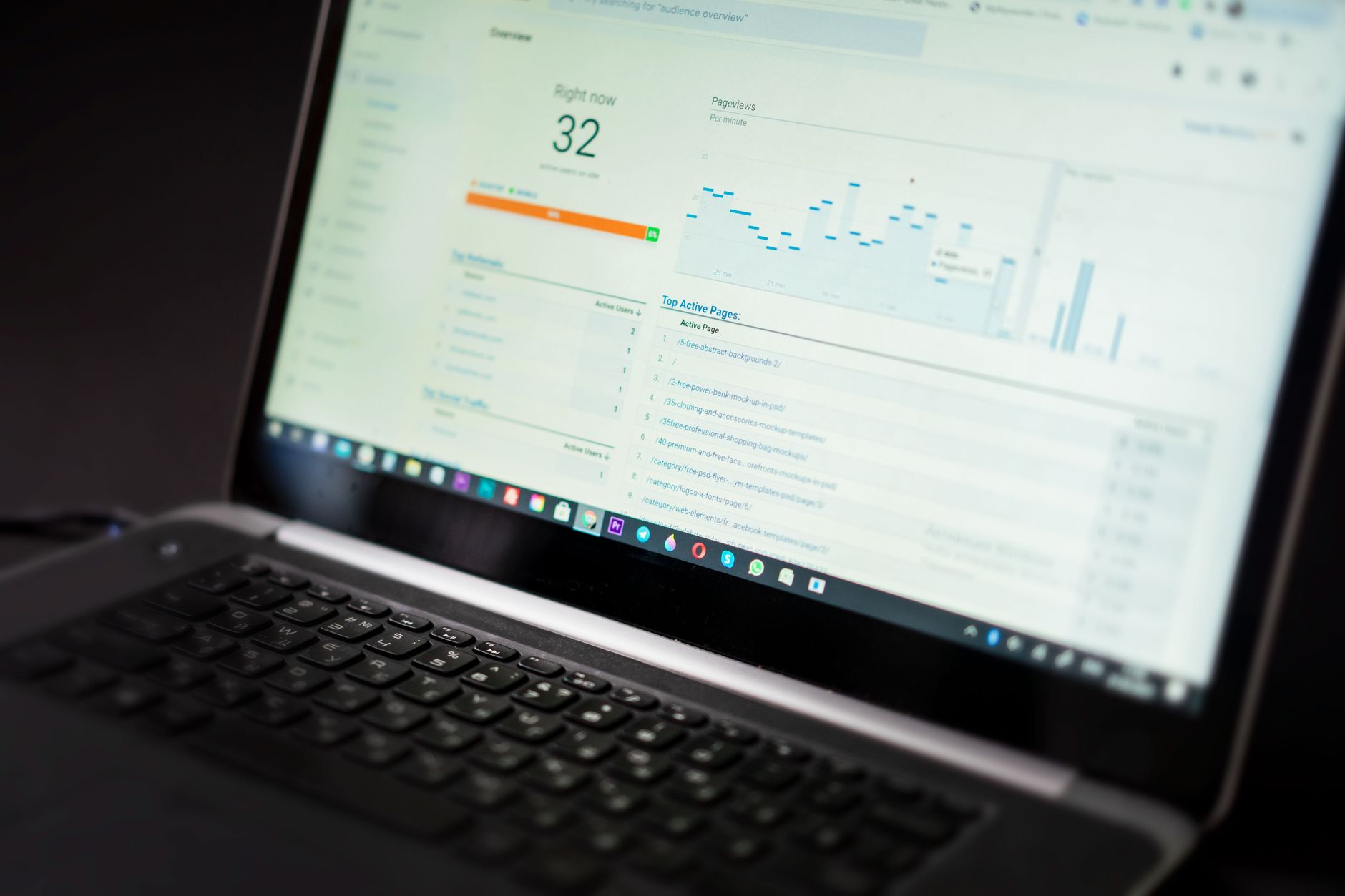
Monitoring systems can provide useful information about facility performance. Regular evaluation allows teams to identify unusual consumption, equipment problems, or operational inefficiencies. Addressing these concerns early can help maintain performance and reduce unnecessary resource use.
Designing for Adaptability
Facilities often need to accommodate changing requirements. Organizational growth, technological developments, and changing operational needs can influence how spaces and systems are used. Designing with flexibility in mind can help facilities adapt without requiring major changes each time circumstances evolve.
Practical engineering can support adaptability by considering future needs during the initial design process. Flexible systems and accessible maintenance arrangements can make future improvements easier and more cost-effective.
Creating Sustainable Facility Foundations
Sustainable facility development requires more than selecting efficient equipment or materials. It involves creating a complete system in which design, engineering, operations, maintenance, and resource management work together. Careful planning can help facilities achieve reliable performance while supporting long-term sustainability.
Engineering leaders can contribute by encouraging practical evaluation, continuous improvement, and responsible decision-making. By considering present requirements alongside future possibilities, organizations can develop facilities that remain useful and efficient for many years. The principles associated with Robert Stitzel demonstrate how practical engineering can support sustainable facility development through thoughtful planning, efficient resource management, adaptability, and long-term operational performance.
Key Points
- Sustainable facility development requires careful planning, technical knowledge, and an understanding of building and operational system performance over time.
- Good planning necessitates coordination between different technical areas to ensure that building systems, equipment, utilities, and operational processes work together efficiently.
- Facilities must balance efficiency with reliability, safety, accessibility, and maintenance requirements to ensure practical functionality for users.
- Resource management involves examining consumption patterns and utilizing monitoring systems to identify and address inefficiencies early on.
- Designing for adaptability allows facilities to accommodate changing requirements without major alterations by incorporating flexibility into the initial design process.
- Comprehensive facility development encompasses the integration of design, engineering, operations, maintenance, and resource management to achieve long-term sustainability.