
 Alice Leroy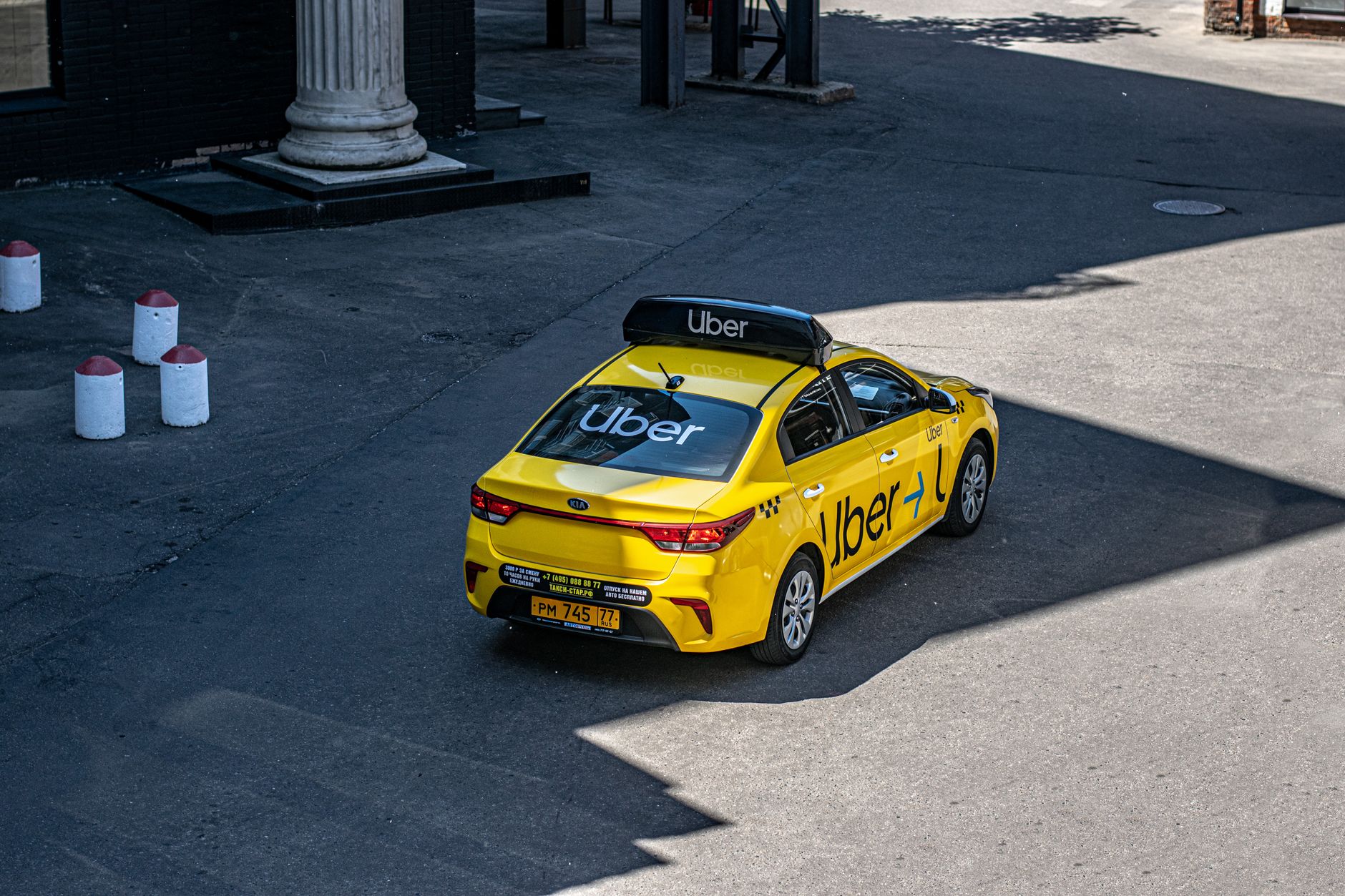
autonomous ride-hail technology is at the forefront of innovation in transportation. May Mobility has made headlines by becoming the first U.S. publicly listed company focused solely on this technology through a business combination with ACP Holdings Acquisition Corp.
What is Autonomous Ride-Hail Technology?
Autonomous ride-hail technology refers to the innovative use of self-driving vehicles to provide transportation services on demand. This cutting-edge technology enables passengers to summon rides through mobile applications, similar to traditional ride-hailing services, but without the need for a human driver.
This advancement is driven by artificial intelligence, machine learning, and advanced sensors that allow vehicles to navigate complex urban environments safely and efficiently. Key features of autonomous ride-hail technology include:
- Safety: Enhanced safety protocols and reduced human error.
- Convenience: Seamless user experience with easy access via apps.
- Cost Efficiency: Potentially lower operational costs compared to traditional ride-hailing models.
As companies like May Mobility take steps towards public offerings, the potential for this technology to transform urban mobility is becoming increasingly evident.
May Mobility’s Public Listing Explained
May Mobility is set to make history by becoming the first U.S. publicly listed company focused solely on autonomous ride-hail technology. This transition takes place through a business combination with ACP Holdings Acquisition Corp., a move that highlights the growing investor interest in this sector.
The deal, valued at approximately $1.2 billion, is expected to enhance May Mobility’s ability to scale its operations and expand its fleet of autonomous vehicles. Investors are increasingly recognizing the potential of autonomous ride-hail technology to reshape urban transportation.
Key factors driving this public listing include:
- Increased demand for sustainable transportation solutions.
- Advancements in artificial intelligence and machine learning.
- Growing partnerships with cities to pilot autonomous services.
May Mobility’s strategic move into the public market is seen as a significant step towards revolutionizing how people navigate urban environments.
The Future of Transportation
The future of transportation is increasingly leaning towards the integration of autonomous ride-hail technology, which promises to revolutionize urban mobility. As cities become more congested, traditional transportation methods struggle to keep pace with demand. Companies like May Mobility are at the forefront of this shift, offering innovative solutions that enhance efficiency and reduce the environmental impact of travel.
Key benefits of this technology include:
- Increased Safety: Autonomous vehicles are designed with advanced safety features that significantly reduce the risk of accidents.
- Cost Efficiency: By minimizing operational costs, ride-hail services can offer more affordable transportation options to consumers.
- Accessibility: This technology can improve mobility for individuals who are unable to drive, ensuring that everyone has access to reliable transportation.
As investment in this sector grows, the future of transportation is poised for transformative change.
Investing in Autonomous Vehicles
Investing in autonomous vehicles is increasingly seen as a forward-thinking strategy, particularly with the rise of autonomous ride-hail technology. This innovation promises to revolutionize urban transportation, offering safer and more efficient travel options. Investors are keenly aware of the potential for significant returns as the market for ride-hailing services continues to expand.
According to recent reports, the demand for autonomous ride-hail services is expected to surge in the coming years, with more consumers embracing the convenience of self-driving cars. Major players in the industry, such as May Mobility, are paving the way for public investment opportunities.
- Autonomous ride-hail technology minimizes traffic congestion.
- It reduces the carbon footprint of urban travel.
- The technology has the potential to lower transportation costs for consumers.
As these advancements unfold, investors who act now may position themselves at the forefront of a transformative market shift.
Challenges Facing Ride-Hail Companies
Despite the promising prospects of autonomous ride-hail technology, several challenges continue to hinder its widespread adoption. Companies in this sector face the following key obstacles:
- Regulatory Hurdles: Autonomous vehicles must navigate a complex landscape of regulations that vary by state and municipality, making it difficult to achieve uniform operational standards.
- Technological Limitations: While advancements have been made, fully autonomous systems still struggle with complex urban environments and unpredictable human behavior.
- Public Perception: Many consumers remain skeptical about the safety of ride-hailing services driven by autonomous technology, which can slow down adoption rates.
- Investment Pressures: Securing funding is crucial, but investors may be hesitant due to the long timelines associated with developing and deploying reliable autonomous systems.
Addressing these challenges is essential for the future success of autonomous ride-hail technology in the market.
Photo by Aleksandr Sochnev on Pexels
Sources
You might also like
Sensex rises 300 points: A clear boost for Dalal Street · Leonard Gross and the Importance of Building a Lasting Business Legacy · Nifty slips below 23800: Worst market close in months