 Alice Leroy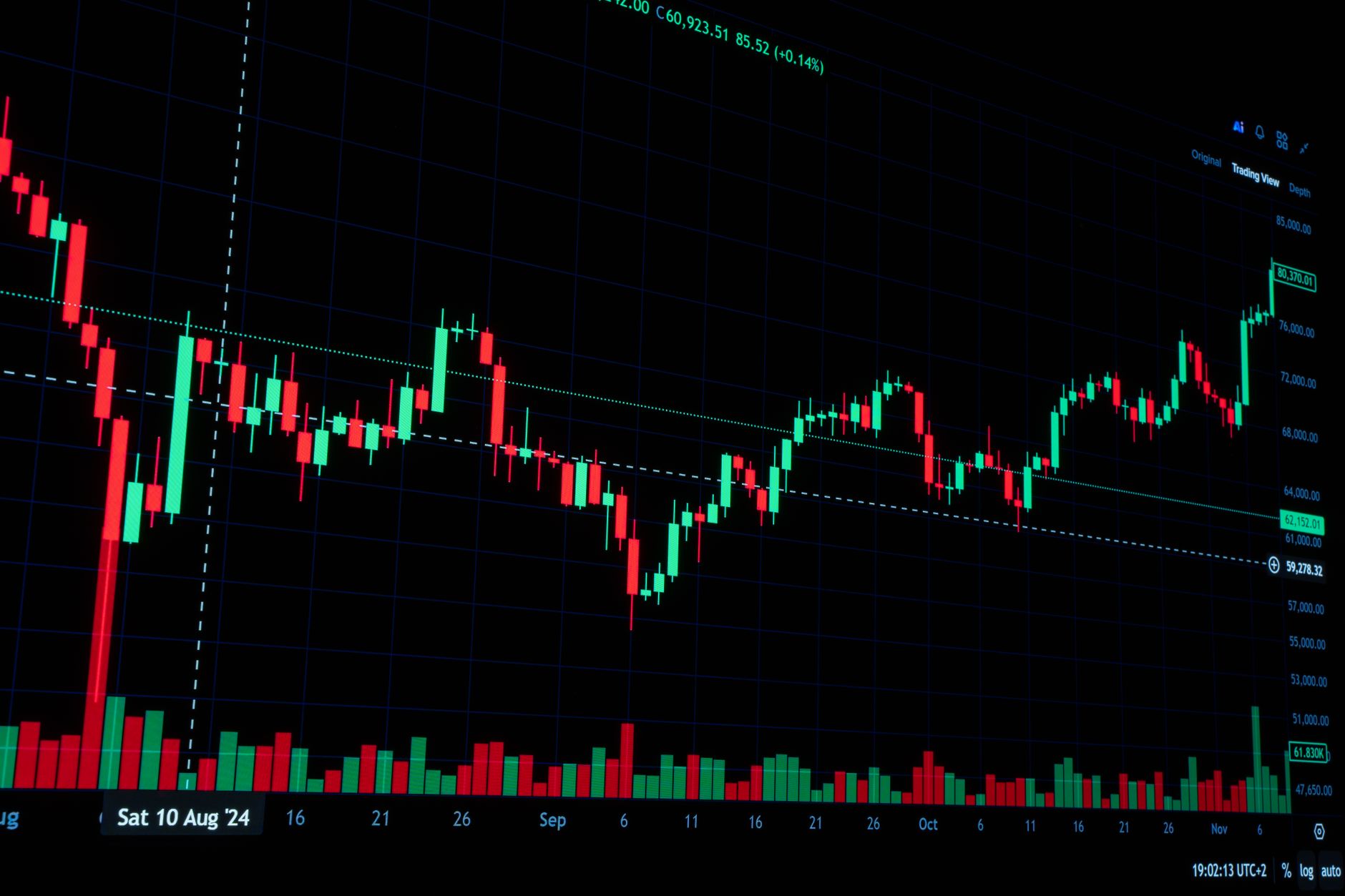
U.S. stock futures are showing mixed signals today as the S&P 500 hits record highs. This fluctuation raises questions about the market’s next move and investor sentiment.
Understanding U.S. Stock Futures
The landscape of U.S. stock futures has become increasingly important for investors monitoring market trends. As financial indicators fluctuate, understanding these futures can provide valuable insights into potential market movements.
U.S. stock futures represent the anticipated value of stock indices before the market opens. They are influenced by various factors, including economic data releases, corporate earnings, and geopolitical events. Investors often rely on these futures to gauge market sentiment and make informed trading decisions.
Recently, U.S. stock futures showed mixed signals as the S&P 500 achieved a record high. This development highlights the complexity of market dynamics, as optimism about economic recovery can be countered by concerns over inflation and interest rates.
To better understand U.S. stock futures, it is essential to consider:
- The correlation between futures and spot prices
- The role of international markets
- Key economic indicators that impact futures
By examining these elements, investors can better navigate the evolving financial landscape.
The Impact of S&P 500 Records
The recent surge in the S&P 500 has captured the attention of investors, as U.S. stock futures display mixed signals in response to this milestone. The record high achieved by the index has raised questions about sustainability and future performance. Analysts are assessing the implications of this achievement on market trends.
Several factors contribute to the current climate:
- Investor Sentiment: Optimism surrounding economic recovery is driving many investors to enter the market, hoping to capitalize on further gains.
- Interest Rates: With the Federal Reserve maintaining low interest rates, borrowing remains attractive, supporting continued investment in equities.
- Corporate Earnings: Strong earnings reports from several sectors have bolstered confidence, reinforcing the upward momentum of the S&P 500.
As U.S. stock futures fluctuate, market participants remain vigilant, analyzing data to navigate potential volatility. The interplay between investor psychology and economic indicators will likely shape the trajectory of the market in the coming weeks.
Market Reactions to Economic Data
In recent trading sessions, U.S. stock futures have shown mixed reactions to newly released economic data, reflecting investor sentiment amid fluctuating market conditions. Key reports, including jobless claims and consumer spending, have played a significant role in shaping expectations for future economic growth.
Analysts observed that the latest figures suggest a resilient economy, yet some uncertainties remain regarding inflation and interest rates. This has led to varied responses among investors, with many weighing the potential impacts on the market. As a result, U.S. stock futures have experienced both upward and downward movements, indicating a cautious yet optimistic outlook.
Market participants are closely monitoring the following factors:
- Unemployment rates – A key indicator of economic health.
- Inflation trends – Which could influence Federal Reserve policies.
- Corporate earnings reports – Providing insights into company performance.
As these elements unfold, investors remain vigilant, seeking to navigate the complexities of the current market landscape.
Investment Strategies for Current Trends
As investors navigate the complexities of the current market, understanding U.S. stock futures is essential for developing effective investment strategies. With the S&P 500 reaching record highs, many are considering their options carefully.
Here are some strategies to keep in mind:
- Diversification: Spreading investments across various sectors can help mitigate risks associated with market volatility.
- Focus on Growth Stocks: With technology and healthcare sectors leading the charge, allocating funds to growth stocks may yield substantial returns.
- Short-Term Trading: Given the fluctuations in U.S. stock futures, short-term trading strategies can capitalize on daily market movements.
- Risk Management: Implementing stop-loss orders can protect against significant losses in an unpredictable market.
- Staying Informed: Regularly reviewing economic indicators and market news is crucial for making timely investment decisions.
By adopting these strategies, investors can position themselves to navigate the evolving landscape effectively.
Photo by Rafael Minguet Delgado on Pexels