 Alice Leroy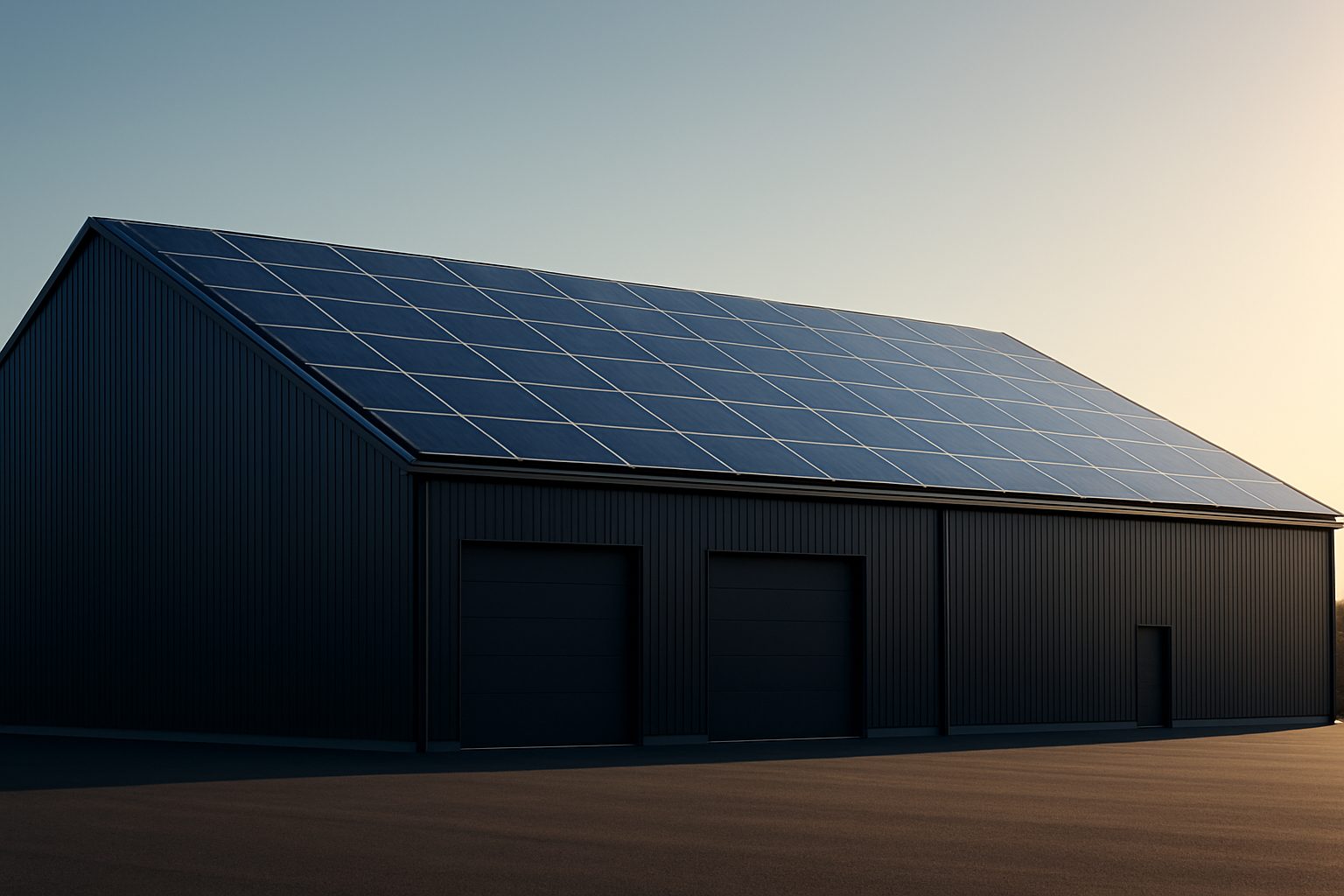
The evolution of industrial real estate is increasingly defined by adaptability, technological alignment, and long-term infrastructure planning. As global supply chains expand and advanced industries demand more specialized facilities, leadership that anticipates future needs has become essential. The approach of David Ebrahimzadeh reflects a forward-thinking strategy centered on designing industrial ecosystems that remain relevant across economic and technological cycles.
What does future-focused industrial real estate mean today?
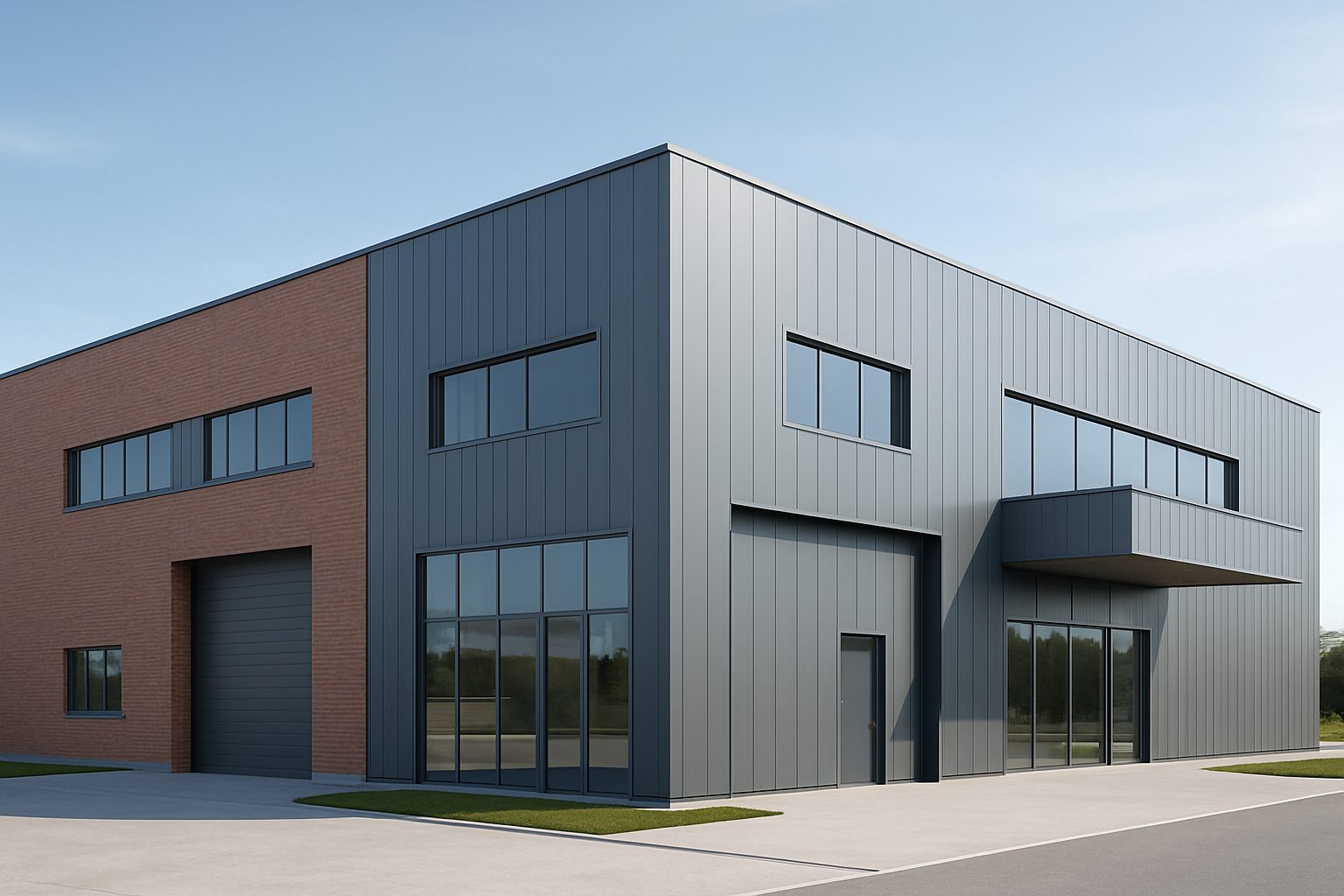
Future-focused industrial real estate refers to the development of facilities that are designed not just for current demand but for evolving industry requirements. These properties support automation, digital infrastructure, advanced logistics, and high-performance manufacturing operations. The key objective is to ensure that industrial spaces remain functional and efficient as technologies and operational models change over time.
How does Corniche Capital align with next-generation industrial demand?
Corniche Capital takes a strategic approach to identifying sectors that require specialized infrastructure. The firm focuses on build-to-suit developments that directly support mission-critical operations, ensuring that each facility is purpose-built for long-term use.
Corniche Capital has built a strong presence in industrial real estate by developing and managing large-scale assets across the United States. Its portfolio spans advanced manufacturing, defense, aerospace, cold storage, data center infrastructure, and logistics. This diversified exposure ensures resilience while also positioning the firm to meet the infrastructure needs of evolving industries.
How does leadership shape innovation in industrial development?
Leadership in industrial real estate requires a deep understanding of both physical infrastructure and emerging global trends. Strategic decisions are based on how industries are expected to evolve over the next decade, particularly in areas such as automation, defense systems, and data-driven logistics.
Investment planning is not limited to location or asset acquisition alone. It includes evaluating how facilities can be adapted for future use, ensuring that developments remain valuable as technology and operational requirements change.
What role does cross-sector insight play in real estate strategy?
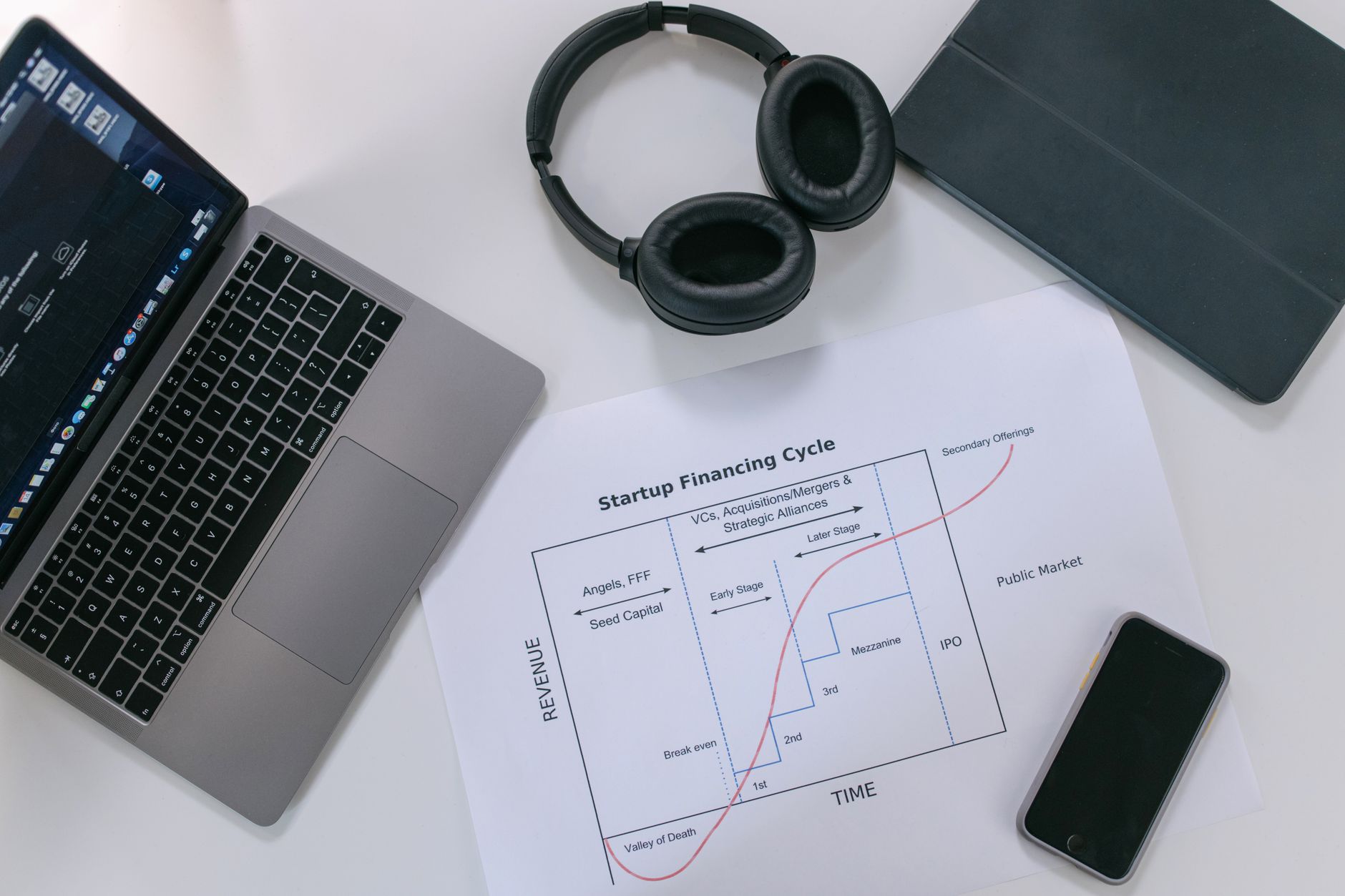
Cross-sector insight allows investors to connect trends from technology, defense, and venture capital with real estate development strategies. This helps in identifying where future demand for industrial infrastructure will emerge and how facilities should be designed to support those needs.
In this context, David Ebrahimzadeh NY represents a leadership perspective that integrates industrial real estate with frontier innovation intelligence. This blend of investment disciplines allows for more informed decision-making and strengthens long-term portfolio positioning across multiple high-growth sectors.
How do build-to-suit facilities support future industrial requirements?
Build-to-suit facilities are specifically engineered to match tenant operational needs. This customization ensures higher efficiency, improved workflow integration, and stronger long-term tenant commitment. These facilities are designed with scalability in mind, allowing them to adapt as tenant requirements evolve.
Such developments reduce operational friction and increase asset durability, making them a preferred model for industries that rely on precision infrastructure. Over time, they also enhance investment stability and asset performance.
Why is adaptability important in industrial real estate development?
Adaptability is essential because industrial and technological landscapes are constantly evolving. Facilities that are rigid in design often become obsolete, while adaptable infrastructure maintains relevance over time.
By prioritizing flexibility in design and functionality, industrial assets can serve multiple use cases throughout their lifecycle. This approach increases asset longevity and ensures sustained value creation even as industries shift.
How does strategic investment thinking influence long-term outcomes?
Strategic investment thinking focuses on anticipating future demand rather than reacting to current market conditions. This involves evaluating macroeconomic trends, supply chain developments, and technological advancements to guide infrastructure planning.
Such a perspective ensures that capital is deployed into assets that will remain essential over time, reducing risk while maximizing long-term returns. It also strengthens portfolio resilience across market cycles.
Conclusion
The future of industrial real estate depends on leadership that combines foresight, adaptability, and cross-sector intelligence. Through a disciplined and forward-looking approach to infrastructure development, David Ebrahimzadeh demonstrates how strategic vision can transform industrial real estate into a dynamic, future-ready foundation that supports evolving global industries.